
The Art of Hydration: Advanced Strategies for Summer Heat
WELL-BEING
7/7/20268 min read
Understanding Hydration: Why It Matters in Summer
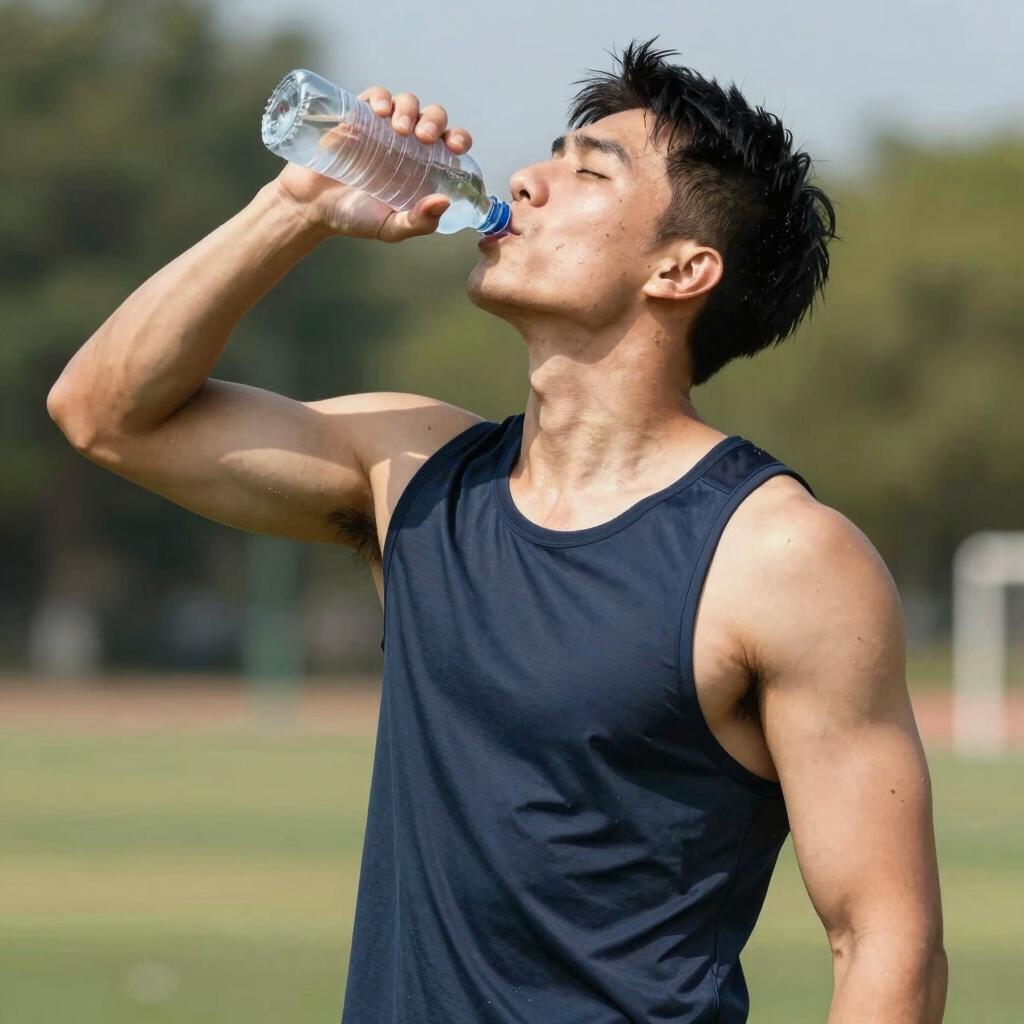
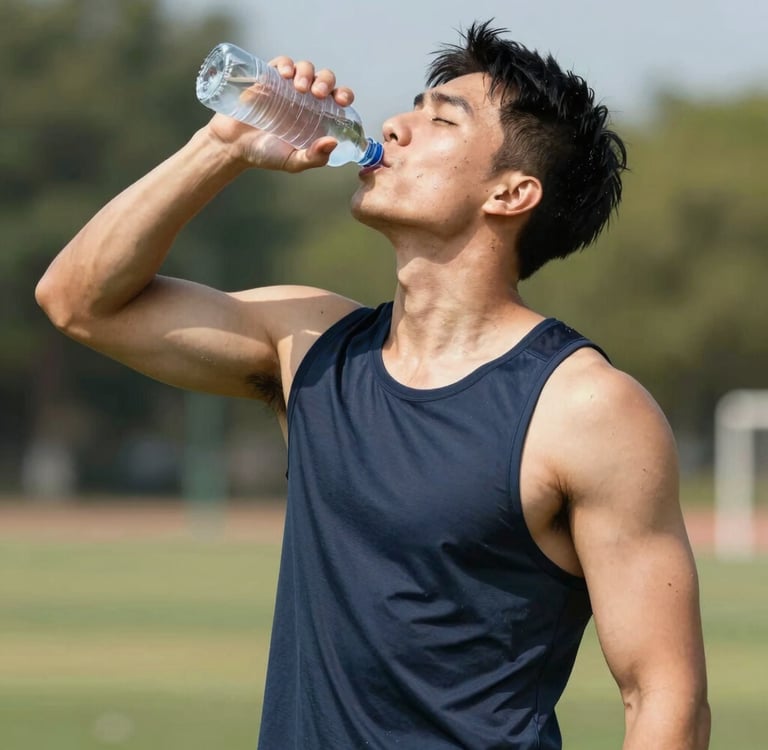
Hydration is vital for maintaining optimal health, particularly during the summer months when temperatures rise and physical activities increase. As temperatures soar, the body’s need for water escalates significantly. One of the primary ways the body regulates temperature is through sweating, which, although essential for preventing overheating, leads to fluid loss. Understanding the physiological impact of these processes is crucial in recognizing why proper hydration is particularly important in these hotter months.
During summer, individuals often engage in outdoor activities such as sports, hiking, or gardening, which not only raises the heart rate but also accelerates sweating. When sweat evaporates from the skin, it cools the body; however, this cooling effect is accompanied by the loss of essential fluids and electrolytes. Without sufficient replenishment of these fluids, one is at risk of dehydration, which can manifest in symptoms ranging from mild fatigue to severe conditions like heat exhaustion. Moreover, dehydration can impair cognitive functions, affecting concentration, memory, and overall mental clarity.
Furthermore, the body’s demand for water increases during high temperatures as it strives to maintain homeostasis. The recommended daily water intake can vary depending on factors such as age, activity level, and climate, but in hot weather, most people will require significantly more than the standard guidelines suggest. This is especially true for those who sweat heavily or suffer from medical conditions that complicate fluid balance.
In essence, staying hydrated during the summer months is not merely a matter of comfort but is essential for safeguarding one’s health against the adverse effects of heat. Adequate hydration is crucial for performance, recovery, and overall well-being, underscoring the importance of making water consumption a priority during this season.
Determining Your Optimal Fluid Intake
Hydration is critical, particularly during the hot summer months when the body is more susceptible to dehydration. To ensure adequate fluid intake, it is essential to calculate individual hydration needs based on an array of factors including body weight, activity level, and environmental conditions.
A common guideline for fluid intake is the 8x8 rule, which recommends drinking eight 8-ounce glasses of water a day, totaling approximately 2 liters. However, individual fluid needs can vary significantly. A practical method for determining personalized hydration levels is to use one’s body weight as a reference. The general recommendation is to consume about half your body weight in ounces of water daily. For instance, a person weighing 150 pounds should aim for at least 75 ounces of water each day.
Furthermore, physical activity significantly influences hydration needs. During exercise, particularly in hot weather, the body loses fluids through sweat. It is advisable to drink additional water according to the duration and intensity of the activity. A useful guideline is to consume approximately 1.5 to 2.5 cups of water for every hour of moderate exercise.
Environmental conditions also play a pivotal role in maintaining hydration. Hot and humid climates accelerate fluid loss, necessitating increased water intake to maintain equilibrium. Signs of thirst, dry mouth, and reduced urine output are initial indicators of dehydration, which can escalate into more severe symptoms such as dizziness, fatigue, or confusion if not promptly addressed.
Recognizing these signs can help in optimizing fluid consumption throughout the day. Consider implementing reminders to drink water regularly, particularly during busy schedules or when engaged in outdoor activities. Carrying a water bottle can serve as a constant reminder to hydrate, ensuring that one's optimal fluid intake is met efficiently.
Electrolyte Balance: The Key to Effective Hydration
Hydration is crucial, especially during the intense summer heat, and achieving the right electrolyte balance plays a significant role. Electrolytes are minerals found in the body that carry an electric charge, and they are essential for numerous bodily functions, including maintaining fluid balance. Key electrolytes, such as sodium, potassium, magnesium, and calcium, help regulate hydration levels, nerve function, and muscle contractions.
Sodium is the most prevalent electrolyte in the extracellular fluid and is vital for regulating blood pressure and fluid balance. High sweat loss during summer activities can lead to a significant decrease in sodium levels, making it important to replenish this mineral, particularly after strenuous exercise or prolonged exposure to heat. Foods like pickles, olives, and various salty snacks can aid in restoring sodium levels.
Potassium is another crucial electrolyte that helps balance fluids and supports muscle function. It is found in a variety of foods, including bananas, oranges, and leafy greens. Maintaining potassium levels is particularly important during hot weather, as it works alongside sodium to maintain proper hydration and muscle function.
Magnesium plays a role in over 300 biochemical reactions in the body, including supporting electrolyte balance. It doesn’t just contribute to hydration but also ensures efficient muscle function and energy production. Sources of magnesium include nuts, seeds, and whole grains. Lastly, calcium is essential for bone health but also aids in muscle contraction and nerve signaling. Dairy products and fortified plant-based alternatives are rich sources of calcium.
To ensure optimal hydration in summer heat, individuals should incorporate a variety of these electrolyte-rich foods into their diet. Additionally, sports drinks can be beneficial, particularly for those engaging in intense physical activities, as they typically contain a blend of essential electrolytes to help replenish what is lost in sweat. In this way, maintaining an appropriate electrolyte balance can significantly enhance hydration, performance, and overall well-being.
Hydration Strategies for Athletes and Active Individuals
For athletes and individuals engaged in physical activities, maintaining optimal hydration is crucial for performance and overall health, especially during the scorching summer months. Proper hydration strategies can significantly enhance endurance, reduce fatigue, and promote quicker recovery post-exercise.
It is essential to understand that hydration is not a one-size-fits-all approach. The type, timing, and quantity of fluids consumed will vary depending on the duration and intensity of the activity. For most athletes, water serves as an excellent hydration source before and during shorter workouts. However, during prolonged activities lasting more than an hour, electrolyte-infused beverages are advisable. These drinks help replenish lost sodium and potassium, which are vital for muscle function and to prevent cramping.
Hydration should begin long before the activity commences. Athletes should aim to drink water approximately two to three hours prior to exercising. A guideline is to consume at least 500 to 600 milliliters of water during this pre-exercise period. This strategy helps ensure that the body is adequately hydrated before exertion begins.
During exercise, especially in the heat, it is recommended to take small sips of fluid every 15 to 20 minutes, which can range between 150 to 200 milliliters, depending on the individual’s sweat rate and the environmental conditions. Post-exercise hydration is equally important; athletes should aim to replace at least 150% of the fluid lost during exercise. This can be achieved by drinking for several hours after the workout, incorporating both water and electrolyte solutions to fully rehydrate.
Incorporating these hydration strategies into training routines facilitates optimal performance and helps in preventing dehydration-related health issues. By paying attention to the body’s cues and adjusting fluid intake based on personal needs and exercises, individuals can significantly enhance their hydration practices during summer activities.
Cooling Techniques to Accompany Hydration
During the sweltering summer months, staying properly hydrated is crucial for maintaining health and wellbeing. However, effective hydration can be complemented by specific cooling techniques that help regulate body temperature and enhance overall comfort. One such technique is wearing breathable clothing. Opting for lightweight, loose-fitting garments made from natural materials like cotton or linen allows air circulation and helps evaporate sweat, promoting cooling. This simple adjustment in attire can significantly reduce the feeling of heat, making hydration efforts more effective.
Another useful method is the application of cooling towels. These specially designed towels contain materials that provide a cooling effect when wet. Simply soaking the towel in cold water and draping it around the neck or forehead can yield immediate relief from high temperatures. The cooling sensation not only helps lower body temperature but also aids in reducing the need for excessive fluid intake, making hydration more efficient while engaging in outdoor activities.
Additionally, incorporating cold showers or baths into your routine can dramatically enhance your comfort level. Short, cold showers provide an efficient way to cool the body's core temperature, making subsequent hydration efforts less taxing on the body. Immersing oneself in a cold bath can similarly help reduce heat stress, especially after sun exposure or physical activity. The immediate refreshment gained from these cooling techniques not only bolsters hydration efforts but also contributes to improved physical performance and sustained energy levels during the scorching summer months.
Hydration Myths Debunked
Hydration is often surrounded by various misconceptions that can lead to inadequate water intake, especially during the hot summer months. One prevalent myth is that you only need to drink water when you’re feeling thirsty. While thirst can indeed serve as an indicator of dehydration, it is not a reliable signal for everyone. Some individuals, especially the elderly or those engaged in intensive physical activities, may not sense thirst until they are already dehydrated. Relying solely on this feeling can result in inadequate hydration.
Another common misconception is the belief that certain beverages can fulfill hydration requirements just as effectively as water. While drinks like fruit juices, sports drinks, and caffeinated beverages can contribute to fluid intake, they often contain sugars, sodium, or caffeine that can have diuretic effects. These added ingredients may not only impede the body's ability to absorb water efficiently but also lead to potential health issues associated with excess sugar or sodium consumption.
Furthermore, it is a myth that an individual can meet their hydration needs solely through food sources. It is true that many fruits and vegetables, such as cucumbers, oranges, and watermelons, have high water content and can contribute to overall hydration levels. However, they cannot fully replace the need for drinking water, especially in warmer climates where perspiration is greater. Consuming adequate amounts of water along with these foods is essential for optimal hydration.
By dismantling these myths surrounding hydration, individuals can make more informed choices about their fluid intake. Emphasizing regular water consumption throughout the day, regardless of thirst levels, and recognizing the limitations of other beverages, will support better hydration practices during the sweltering summer heat.
Practical Tips to Integrate Hydration into Daily Life
Maintaining proper hydration during the summer months is essential for overall health and well-being. To effectively integrate hydration into your daily routine, consider adopting several practical strategies that make it easier to consume adequate fluids throughout the day.
Firstly, it can be beneficial to infuse hydration into your meals. One simple method is to incorporate hydrating foods, such as fruits and vegetables, into your diet. Foods like watermelon, cucumbers, oranges, and strawberries are not only refreshing but also contain a high water content, thus contributing to your daily hydration needs while providing essential nutrients.
In addition to dietary adjustments, technology can play a vital role in encouraging regular hydration. Utilizing a hydration app can help you track your daily water intake effectively. These applications often feature reminders to drink water at designated intervals, which can be particularly useful for individuals with busy schedules. By setting daily goals and notifications, you are more likely to stay mindful of your hydration levels throughout the day.
Moreover, building a consistent habit of drinking water can be achieved through practical changes to your environment. Keeping a reusable water bottle filled and within arm's reach can serve as a constant reminder to hydrate. Aim to drink a glass of water at specific points during the day, such as before meals or after completing specific tasks. This simple strategy can help establish a routine that simplifies the process of staying adequately hydrated.
Lastly, it is important to approach hydration with mindfulness. Choosing to consciously sip water throughout your activities can transform hydration from a chore into a natural component of your daily life. By making these adjustments, you are more likely to establish a sustainable hydration routine that supports your health during the hot summer months.
KEZZEK
Quiet self-mastery and strategic discipline for the modern man.
Home-Journal-Philosophy-Contact
Reach out
editorial@kezzek.com
Based in London & Lisbon
Published weekly
© 2026 KEZZEK-An independent publication for the modern man.
Quiet self-mastery. Strategic discipline.